

Governments today face mounting pressure to address waste, reduce landfill dependency, and meet sustainability commitments. Traditional systems are fragmented and slow to scale.


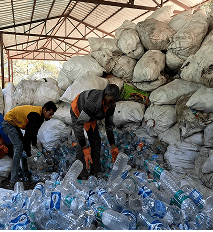
Low Recovery Rates: Valuable materials like PET, metals, and glass are still ending up in landfills.
Fragmented Collection Systems: Municipal and informal collection systems remain disconnected.
Leakage & Fraud Risks: Manual systems create loopholes in accountability.
Public Participation Gaps: Consumers lack motivation to return used materials.

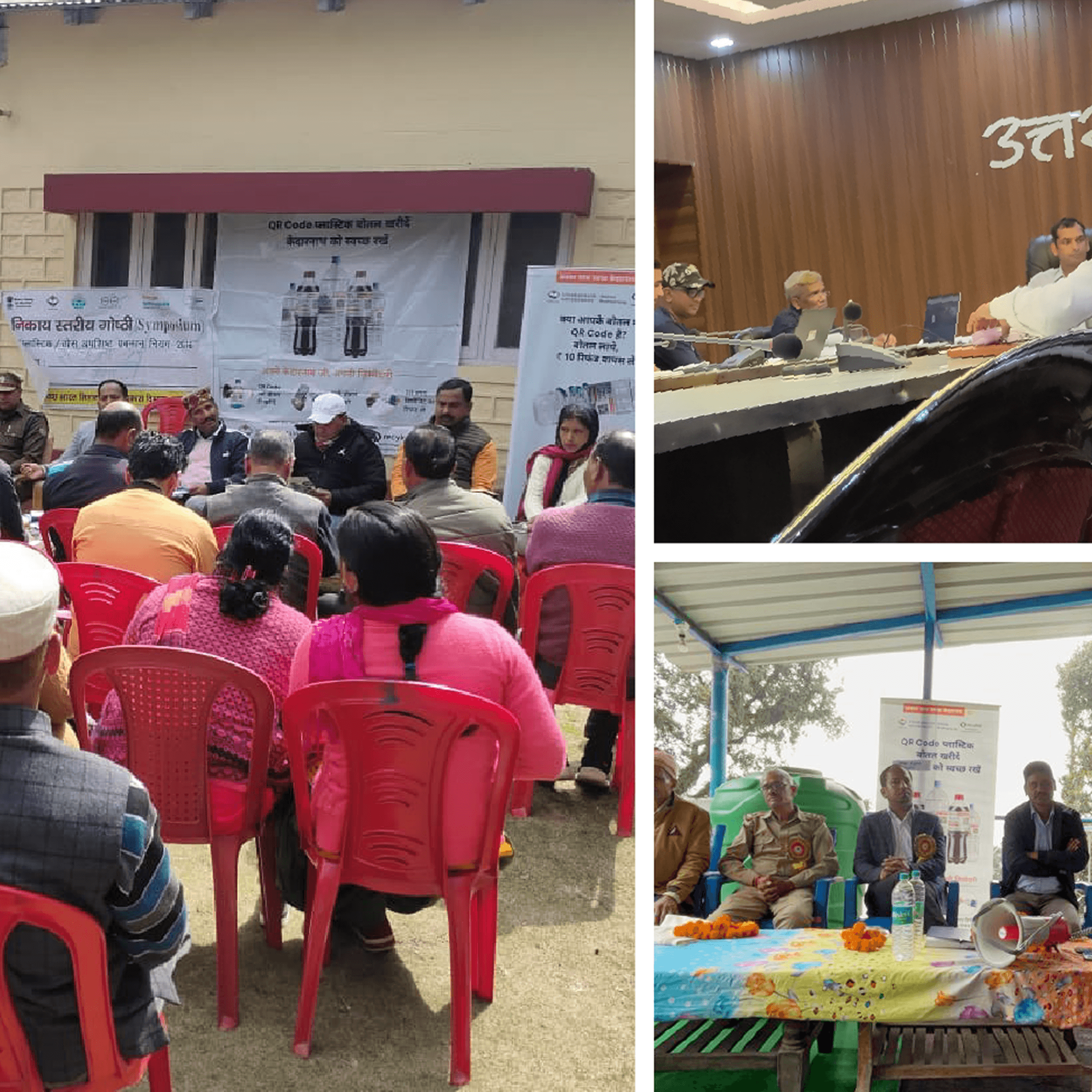
Proven globally to achieve up to 90%+ recovery rates.
Motivates consumers to return packaging by rewarding them instantly.
Brings brands, consumers, and recyclers into one transparent loop.
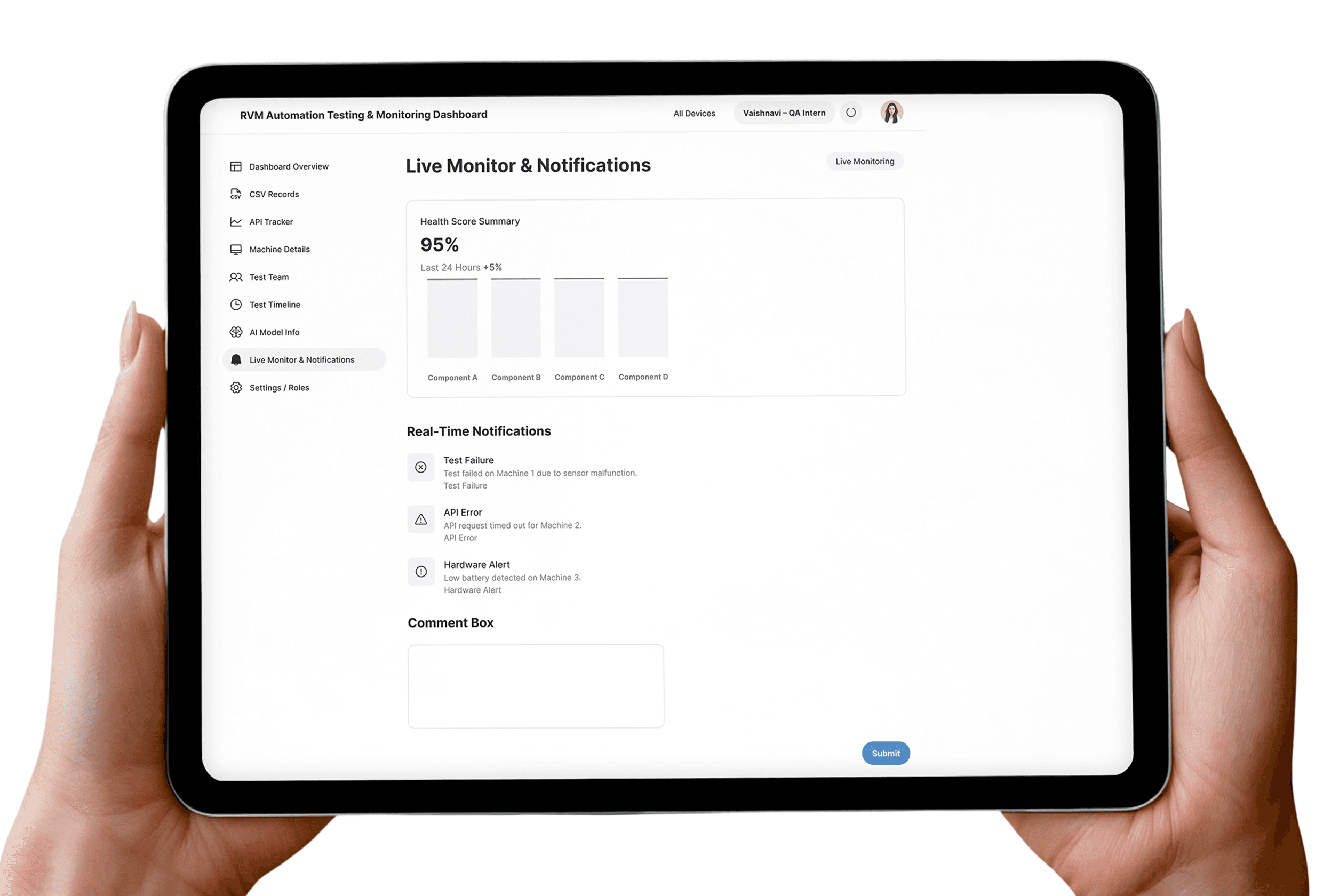
Provides real time reports of recovery for audits
Traceablity on the material movements from manufacturing to disposal
The 3 Pillars of the dDRS

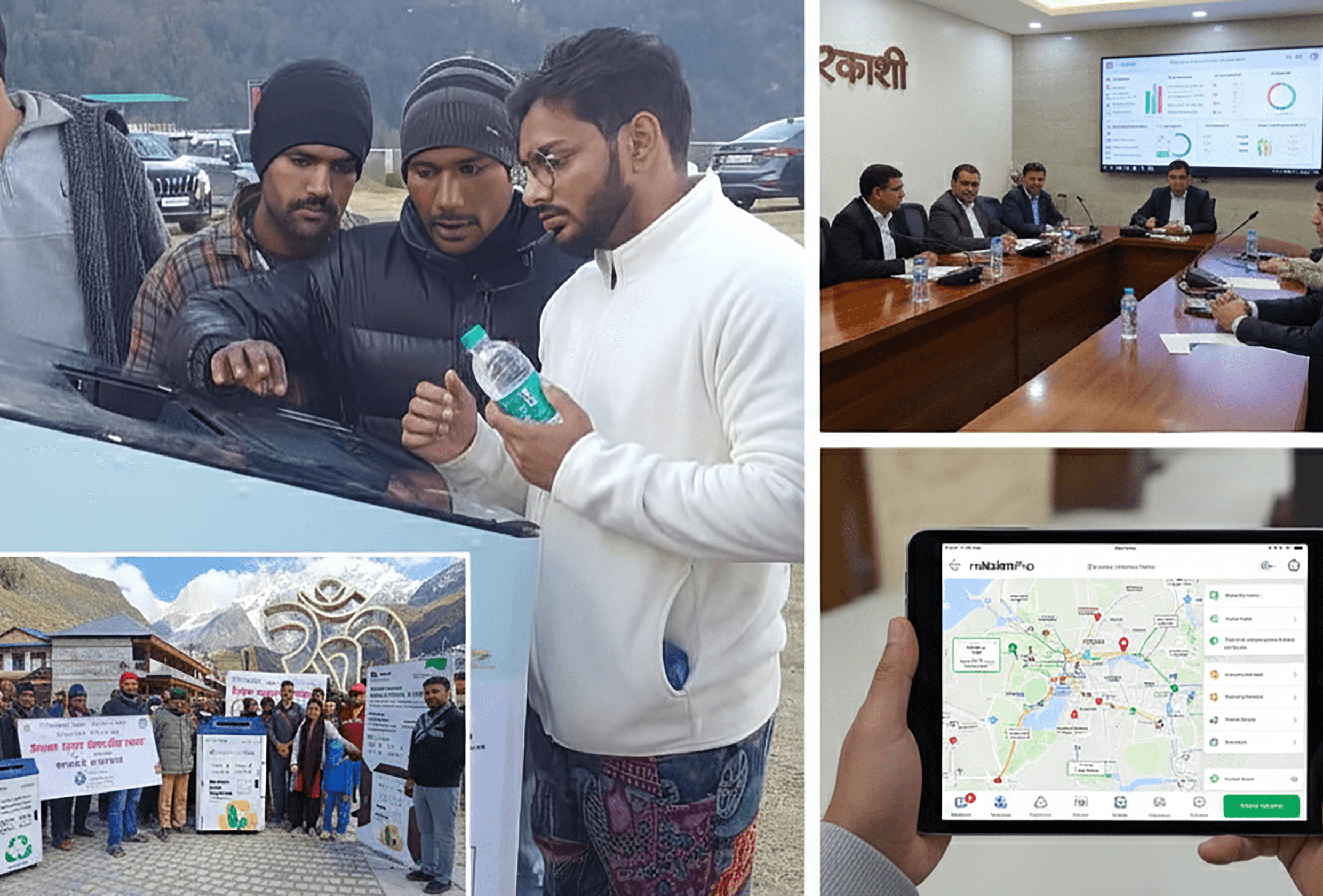
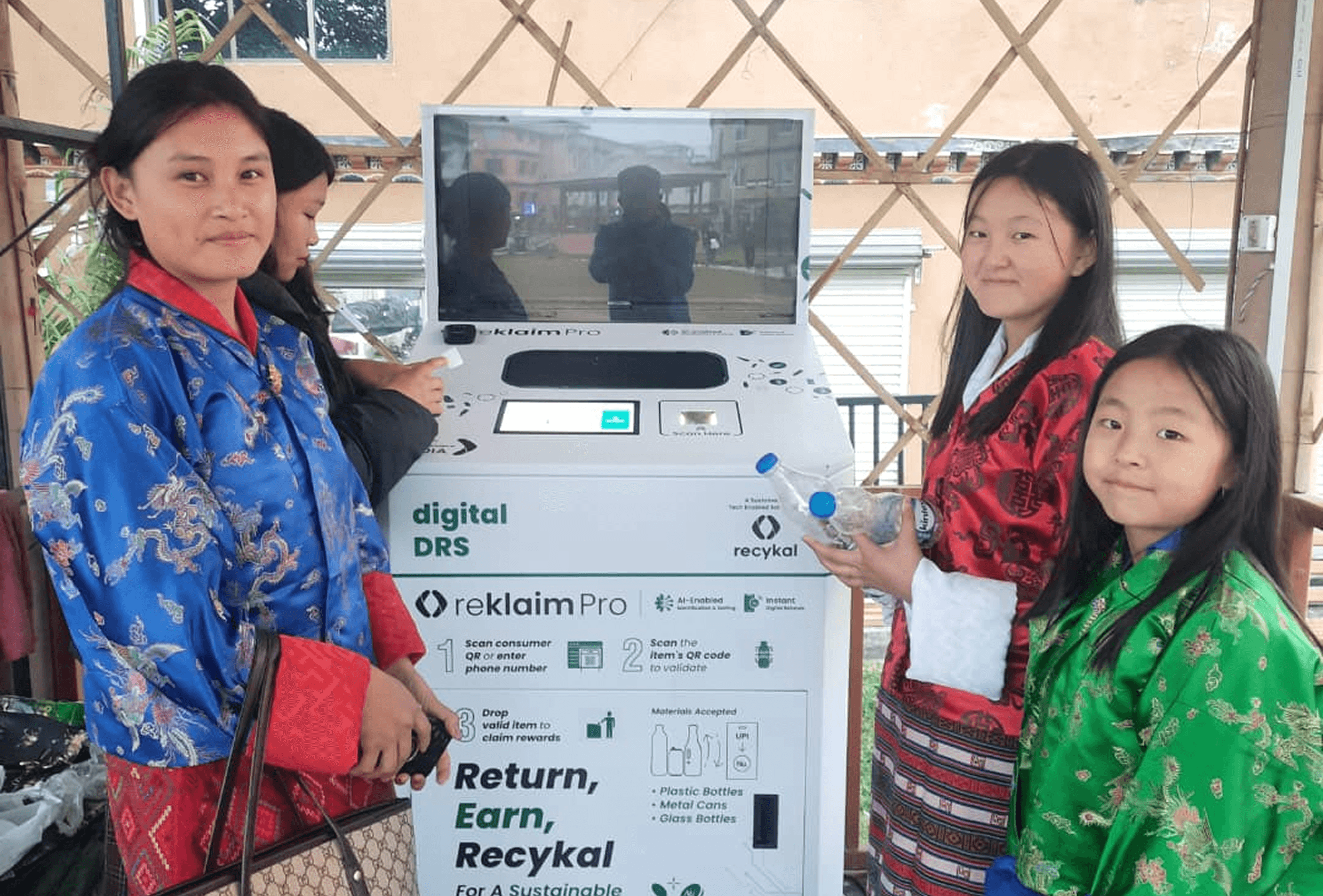
Our dDRS creates measurable value for every player in the waste ecosystem, be it brands, consumers, government, collection points, or the informal sector.
Regulatory Compliance: Seamless fulfilment of mandated recovery targets with full traceability.
Reputation Management: Demonstrates proactive environmental responsibility and leadership.
Cost Efficiency: Reduces manual reporting, fraud, and inefficiencies through automation.
Data Insights: Access to SKU-level, location-wise return and recovery data for better forecasting.
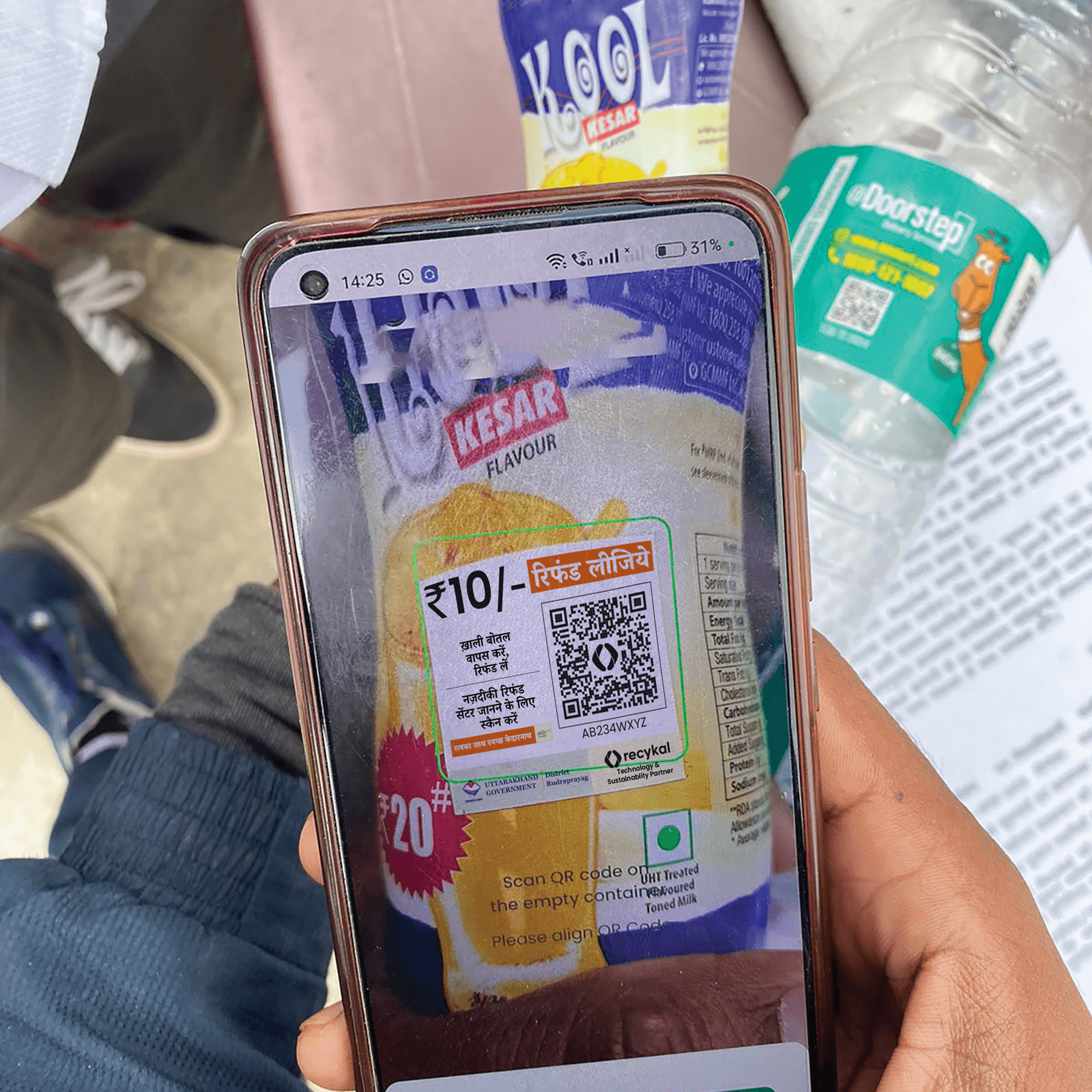

Instant gratification: Refund of the deposit amount at the point of return.
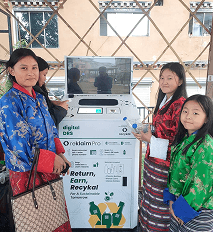
Convenience: Multiple accessible return options like RVMs, manual collection, and mobile units.
Transparency: Ability to track returned items and refunds via SMS/app.
Empowerment: Participation in environmental action with tangible rewards.

High Recovery Rates: Proven model for achieving 80–90%+ recovery for target materials.
Policy Monitoring: Real-time dashboards of brand participation, material flow, and geographic coverage.
Fraud Prevention: Unique serialisation (QR/USI) to prevent duplicate claims.
Scalable Rollouts: Modular deployment for cities, states, and national programmes.
Public Reporting: Easy-to-share impact data for consumers and stakeholders.
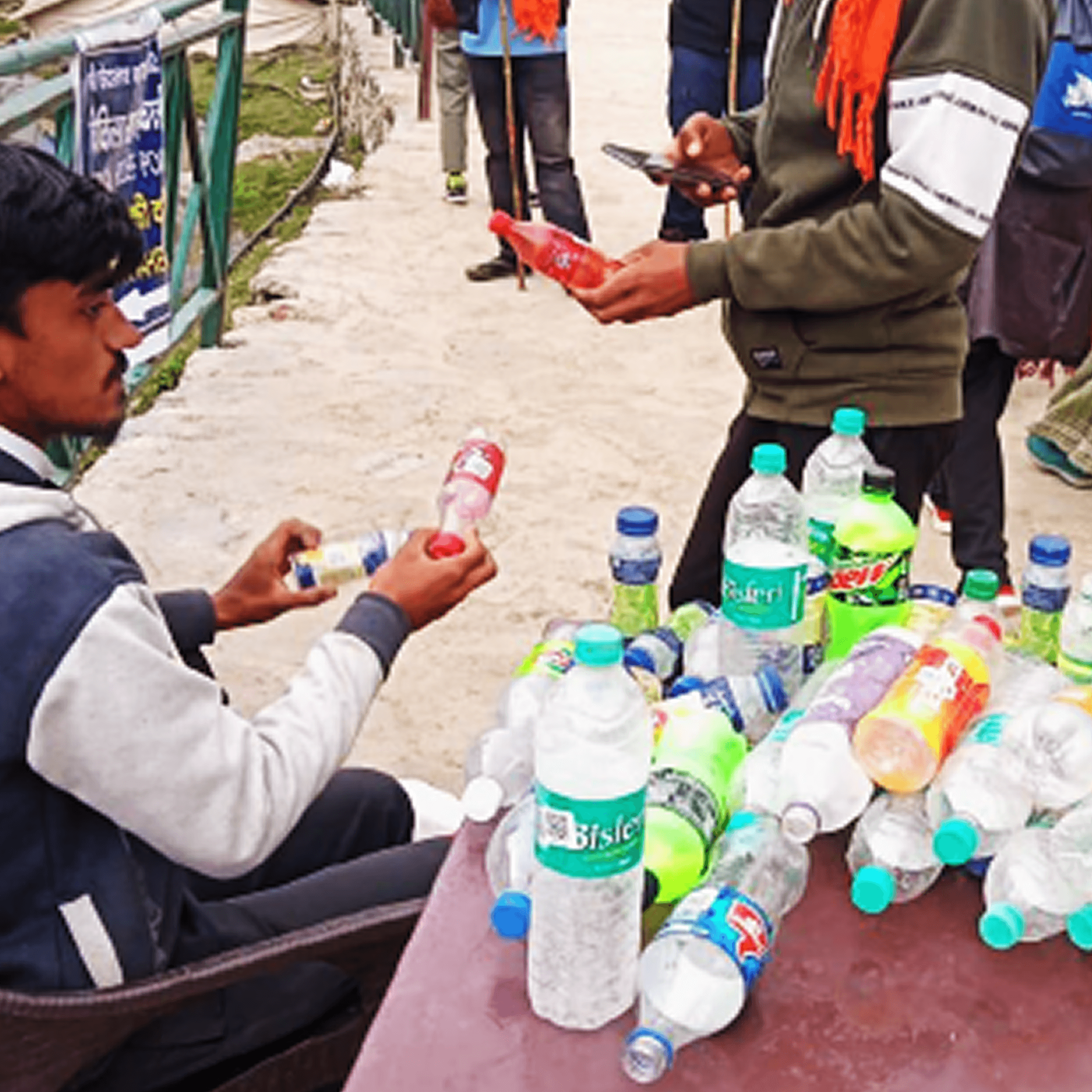
Revenue Opportunity: Handling fee per returned item.
Simple Onboarding: Minimal training required; system integrated into normal POS flow.
Compliance Alignment: Supports associated brands’ EPR obligations through participation.
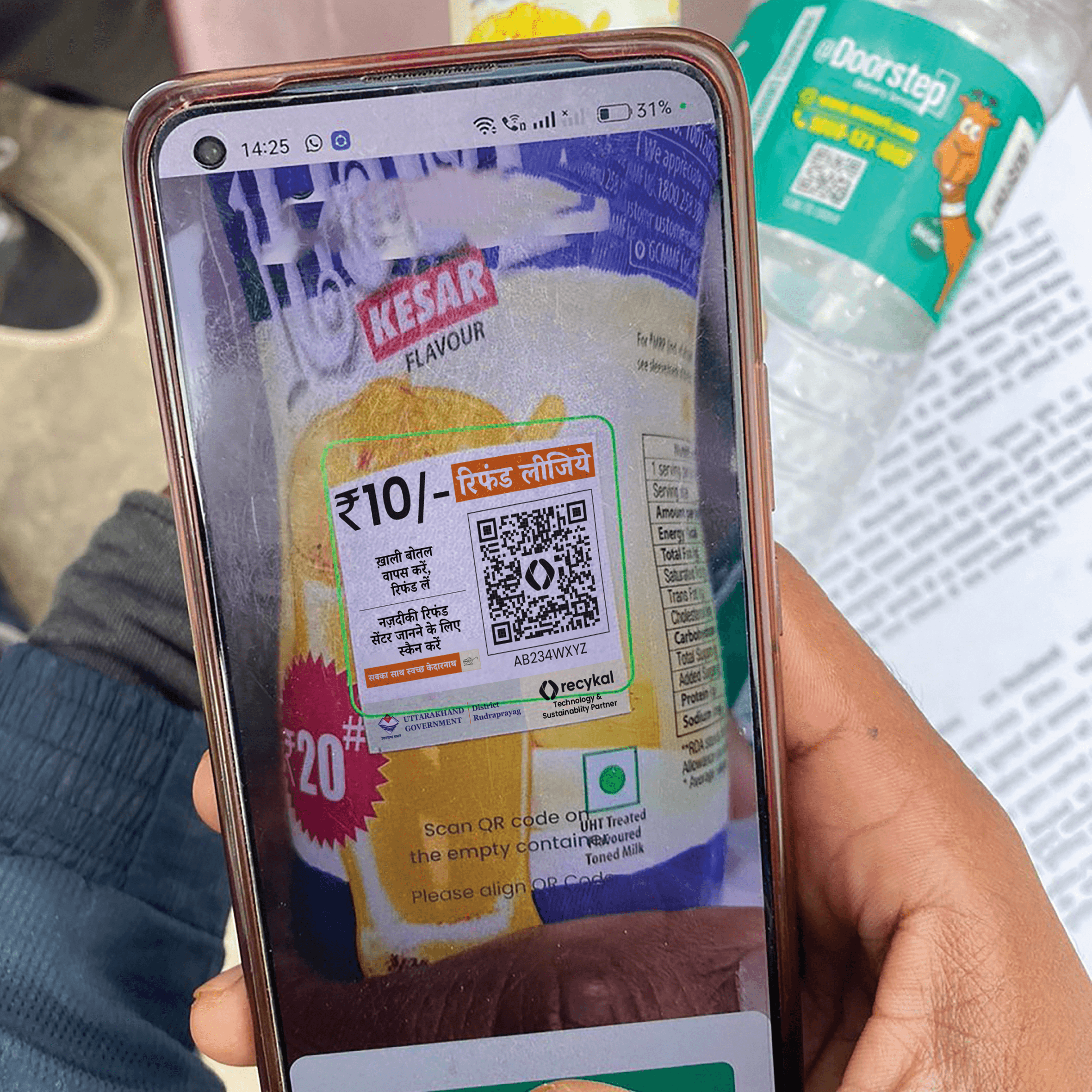
Income Enhancement: Higher returns for QR/USI-coded items than market scrap rates.
Formal Inclusion: Recognition as authorised collectors within the DDRS framework.
Safety & Dignity: Reduced exposure to hazardous waste through clean, segregated returns.
Steady Supply: Access to a consistent stream of recoverable materials.
Our dDRS framework is designed to work across multiple material streams, ensuring traceability and recovery at scale.

(PET, HDPE, PP, multi-layer plastics)

Metal Containers
(aluminium cans, tin packaging)
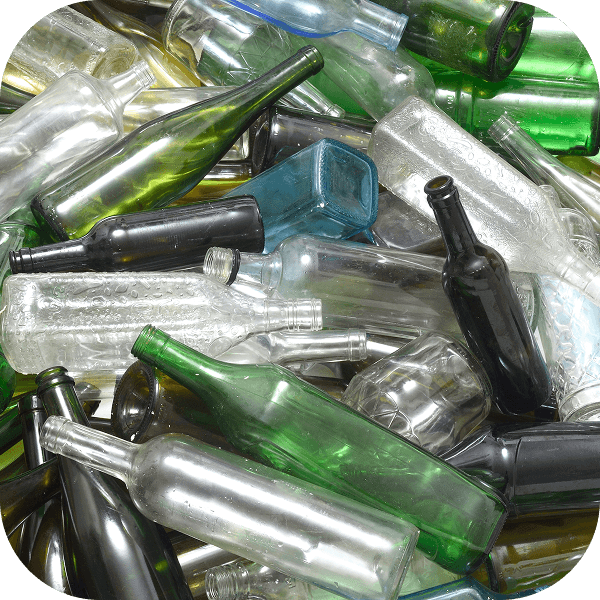
Glass Bottles & Containers
(beverage bottles, jars)

Tetra Packs
(Excluding Dairy Products)