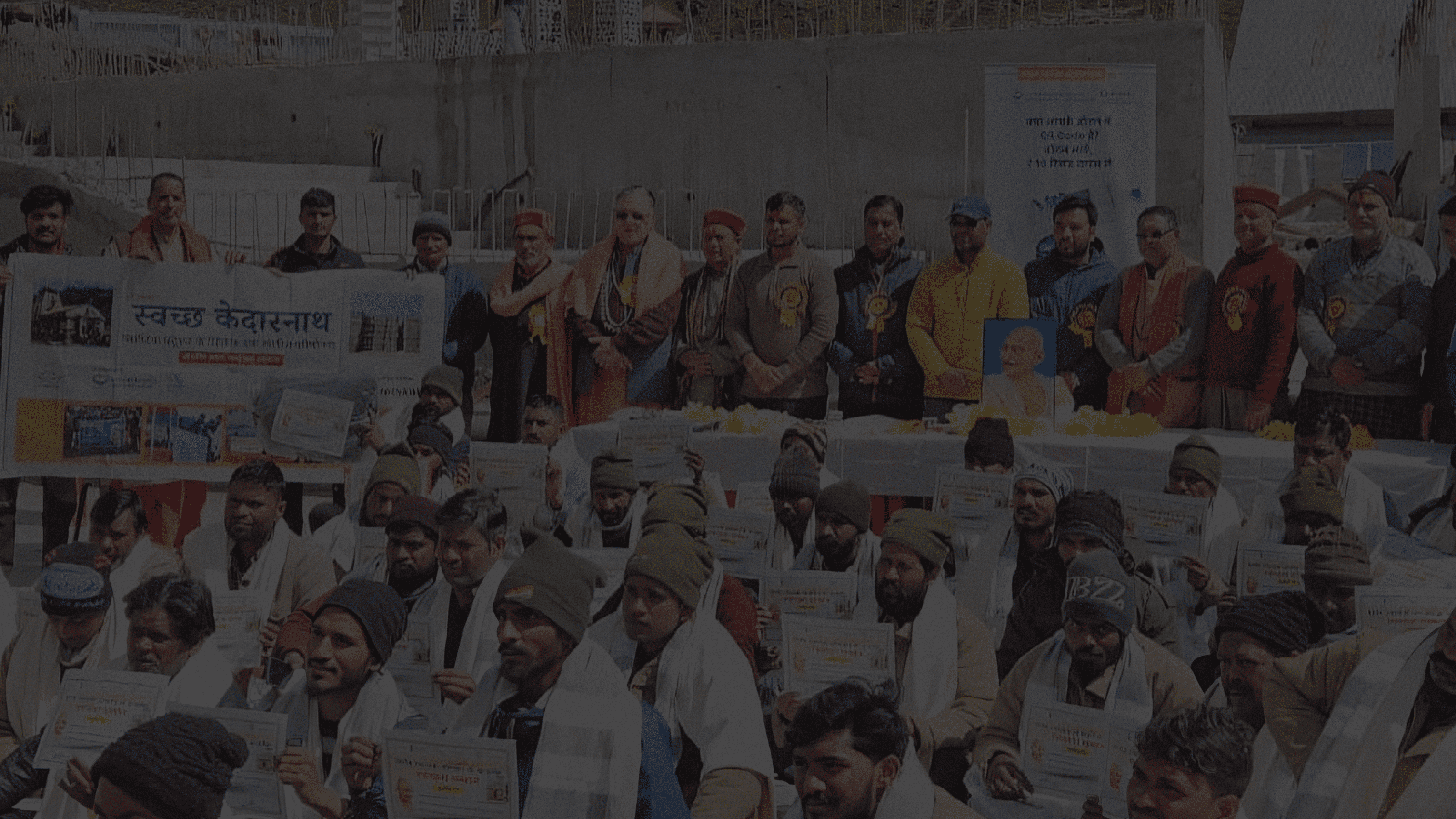
FOR INFORMAL SECTOR
Empowering Informal Collectors with Digital DRS
Unlock opportunities for better income, greater safety, and formal recognition by participating in the Digital Deposit Refund System (dDRS)
FOR INFORMAL SECTOR
Empowering Informal Collectors with Digital DRS
Unlock opportunities for better income, greater safety, and formal recognition by participating in the Digital Deposit Refund System (dDRS)

Why Digital DRS is a Game-Changer for the Informal Sector
Why Digital DRS is a Game-Changer for the Informal Sector
Increase Income with Higher Returns
By collecting QR/USI-coded items, informal sector collectors can earn higher returns compared to traditional market scrap rates, leading to more stable and higher earnings.Recognised as Authorised Collectors
Collectors are formally recognised within the dDRS framework, providing legitimacy, access to better opportunities, and a structured support system.Work with Safety & Dignity
Collectors reduce exposure to hazardous waste by handling clean, segregated returns, making the process saferAccess to Steady, Consistent Supply
Collectors benefit from a steady supply of recoverable materials, ensuring a continuous stream of items to collect and recycle, driving long-term income stability.
How the System Works for Informal Sector Collectors
How the System Works for Informal Sector Collectors
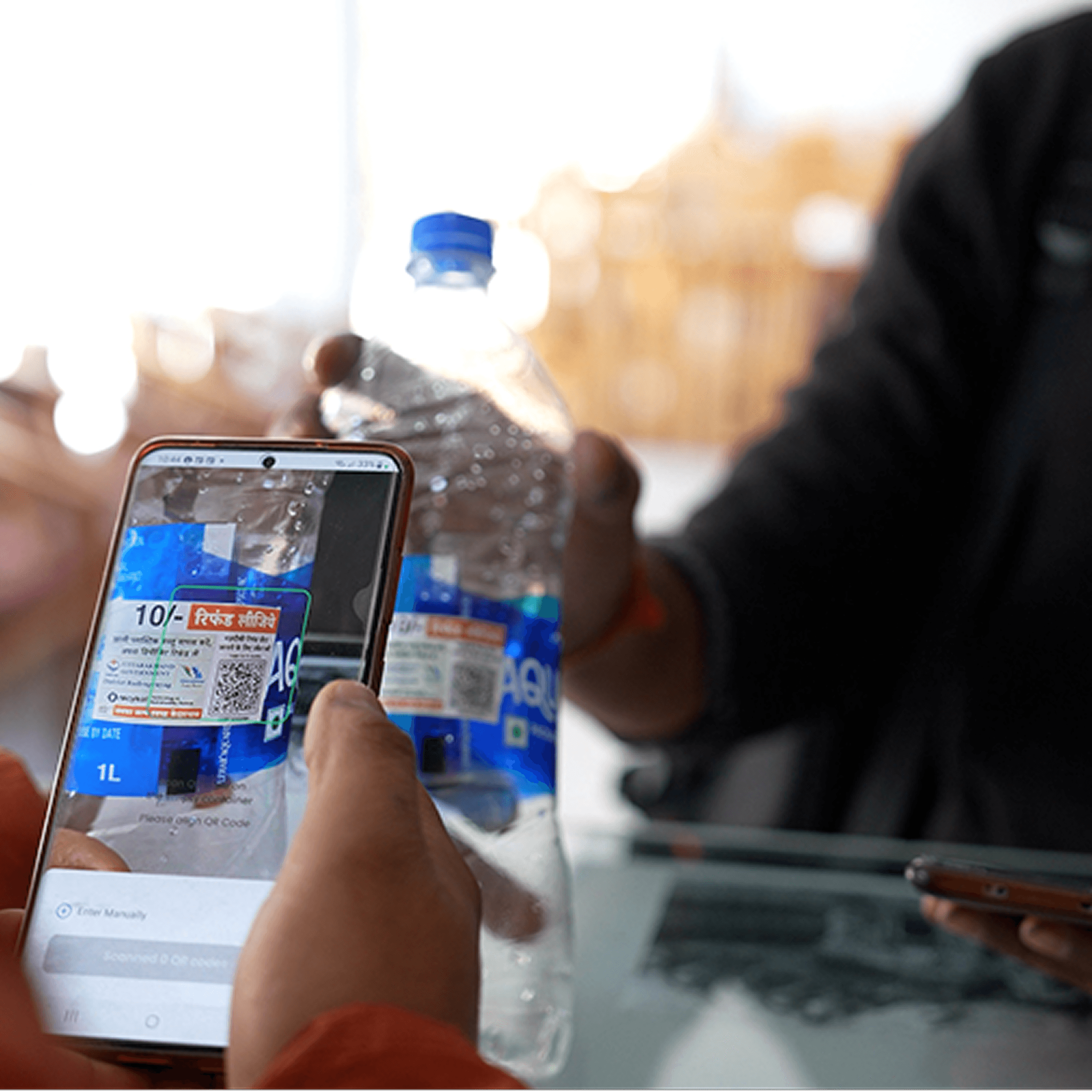
Collect QR/USI-Coded Materials for Higher Rewards
The system tracks each return digitally, ensuring accurate payment and reward for every item collected.Join the Formal Recycling Ecosystem
This formal inclusion empowers informal sector workers to be part of a larger, more structured ecosystem, driving sustainability efforts forward.Safe and Healthy Work Environment
With clear segregation and tracking, collectors manage waste in a much safer and more controlled environment.Access Consistent Work & MaterialsDigital DRS ensures a continuous supply of valuable materials, eliminating the unpredictability often associated with scrap collection.
Frequently Asked Questions
Frequently Asked Questions
Get quick answers to your most pressing questions
Get quick answers to your most pressing questions
How does the Digital Deposit Refund System (dDRS) benefit informal sector collectors?
The dDRS offers informal sector collectors the opportunity to earn higher returns for QR/USI-coded items compared to traditional market scrap rates, helping to increase their income.
What is the role of informal collectors in the DDRS framework?
Informal collectors are recognised within the dDRS framework, granting them formal inclusion in the recycling ecosystem, access to training, and better opportunities.
How does participating in dDRS increase earnings for informal collectors?
Collectors can earn higher rewards for each returned QR/USI-coded item, leading to significantly better financial returns compared to selling scrap at market rates.
Is the waste collection process safer for informal collectors through dDRS?
Yes, the dDRS encourages the handling of clean, segregated materials, which reduces exposure to hazardous waste, creating a safer working environment for informal sector collectors.
How does dDRS ensure consistent work for informal collectors?
The system ensures a steady supply of recoverable materials, providing informal collectors with a continuous stream of items to collect, thus ensuring long-term income stability.
How does dDRS help informal collectors gain recognition?
By participating in the dDRS, informal sector collectors are formally recognised within the recycling value chain, helping them establish their credibility and legitimacy as authorised recyclers.
Does dDRS provide training for informal sector collectors?
Yes, informal sector collectors receive access to training programs, updates on regulations, and support, allowing them to improve their skills and stay informed about best practices in waste collection.
How does dDRS improve the dignity of informal collectors' work?
Through the clean, segregated collection process and formal recognition, dDRS improves the dignity of waste collection, providing workers with a safer, more structured, and respectable way of earning a livelihood.
What materials can informal sector collectors return for higher earnings through dDRS?
Collectors can return QR/USI-coded materials, which are tracked and verified by the system for higher returns compared to traditional scrap.
What kind of income stability can informal collectors expect with dDRS?
With a consistent supply of materials and higher returns for collected items, informal sector collectors can expect more reliable and predictable earnings compared to the fluctuating scrap market.
How does the Digital Deposit Refund System (dDRS) benefit informal sector collectors?
The dDRS offers informal sector collectors the opportunity to earn higher returns for QR/USI-coded items compared to traditional market scrap rates, helping to increase their income.
What is the role of informal collectors in the DDRS framework?
Informal collectors are recognised within the dDRS framework, granting them formal inclusion in the recycling ecosystem, access to training, and better opportunities.
How does participating in dDRS increase earnings for informal collectors?
Collectors can earn higher rewards for each returned QR/USI-coded item, leading to significantly better financial returns compared to selling scrap at market rates.
Is the waste collection process safer for informal collectors through dDRS?
Yes, the dDRS encourages the handling of clean, segregated materials, which reduces exposure to hazardous waste, creating a safer working environment for informal sector collectors.
How does dDRS ensure consistent work for informal collectors?
The system ensures a steady supply of recoverable materials, providing informal collectors with a continuous stream of items to collect, thus ensuring long-term income stability.
How does dDRS help informal collectors gain recognition?
By participating in the dDRS, informal sector collectors are formally recognised within the recycling value chain, helping them establish their credibility and legitimacy as authorised recyclers.
Does dDRS provide training for informal sector collectors?
Yes, informal sector collectors receive access to training programs, updates on regulations, and support, allowing them to improve their skills and stay informed about best practices in waste collection.
How does dDRS improve the dignity of informal collectors' work?
Through the clean, segregated collection process and formal recognition, dDRS improves the dignity of waste collection, providing workers with a safer, more structured, and respectable way of earning a livelihood.
What materials can informal sector collectors return for higher earnings through dDRS?
Collectors can return QR/USI-coded materials, which are tracked and verified by the system for higher returns compared to traditional scrap.
What kind of income stability can informal collectors expect with dDRS?
With a consistent supply of materials and higher returns for collected items, informal sector collectors can expect more reliable and predictable earnings compared to the fluctuating scrap market.
How does the Digital Deposit Refund System (dDRS) benefit informal sector collectors?
The dDRS offers informal sector collectors the opportunity to earn higher returns for QR/USI-coded items compared to traditional market scrap rates, helping to increase their income.
What is the role of informal collectors in the DDRS framework?
Informal collectors are recognised within the dDRS framework, granting them formal inclusion in the recycling ecosystem, access to training, and better opportunities.
How does participating in dDRS increase earnings for informal collectors?
Collectors can earn higher rewards for each returned QR/USI-coded item, leading to significantly better financial returns compared to selling scrap at market rates.
Is the waste collection process safer for informal collectors through dDRS?
Yes, the dDRS encourages the handling of clean, segregated materials, which reduces exposure to hazardous waste, creating a safer working environment for informal sector collectors.
How does dDRS ensure consistent work for informal collectors?
The system ensures a steady supply of recoverable materials, providing informal collectors with a continuous stream of items to collect, thus ensuring long-term income stability.
How does dDRS help informal collectors gain recognition?
By participating in the dDRS, informal sector collectors are formally recognised within the recycling value chain, helping them establish their credibility and legitimacy as authorised recyclers.
Does dDRS provide training for informal sector collectors?
Yes, informal sector collectors receive access to training programs, updates on regulations, and support, allowing them to improve their skills and stay informed about best practices in waste collection.
How does dDRS improve the dignity of informal collectors' work?
Through the clean, segregated collection process and formal recognition, dDRS improves the dignity of waste collection, providing workers with a safer, more structured, and respectable way of earning a livelihood.
What materials can informal sector collectors return for higher earnings through dDRS?
Collectors can return QR/USI-coded materials, which are tracked and verified by the system for higher returns compared to traditional scrap.
What kind of income stability can informal collectors expect with dDRS?
With a consistent supply of materials and higher returns for collected items, informal sector collectors can expect more reliable and predictable earnings compared to the fluctuating scrap market.