Image

Brand Suite

Government Suite

Circular Marketplace

Know Us

FOR GOVERNMENT

Transform waste policy into measurable results at city, state, or national levels.

Recykal’s digital DRS combines unique serialisation, real-time governance dashboards, and enterprise-grade integrations to increase recovery rates and public trust.

FOR GOVERNMENT

Transform waste policy into measurable results at city, state, or national levels.

Recykal’s digital DRS combines unique serialisation, real-time governance dashboards, and enterprise-grade integrations to increase recovery rates and public trust.

Woman in red outfit poses by a red telephone booth.

Why Governments Prefer Digital DRS for Circular Economy

Why Governments Prefer Digital DRS for Circular Economy

  • Achieve high recovery rates quickly.
    Implement an inclusive, tech-enabled dDRS with clear material and deposit tracking to achieve high recovery in targeted categories.

  • Monitor policies in real-time.
    The Scheme Administrator modules provide live updates on registrations, units, deposits, refunds, and collections, with role-based access controls.

  • Prevent fraud by design.
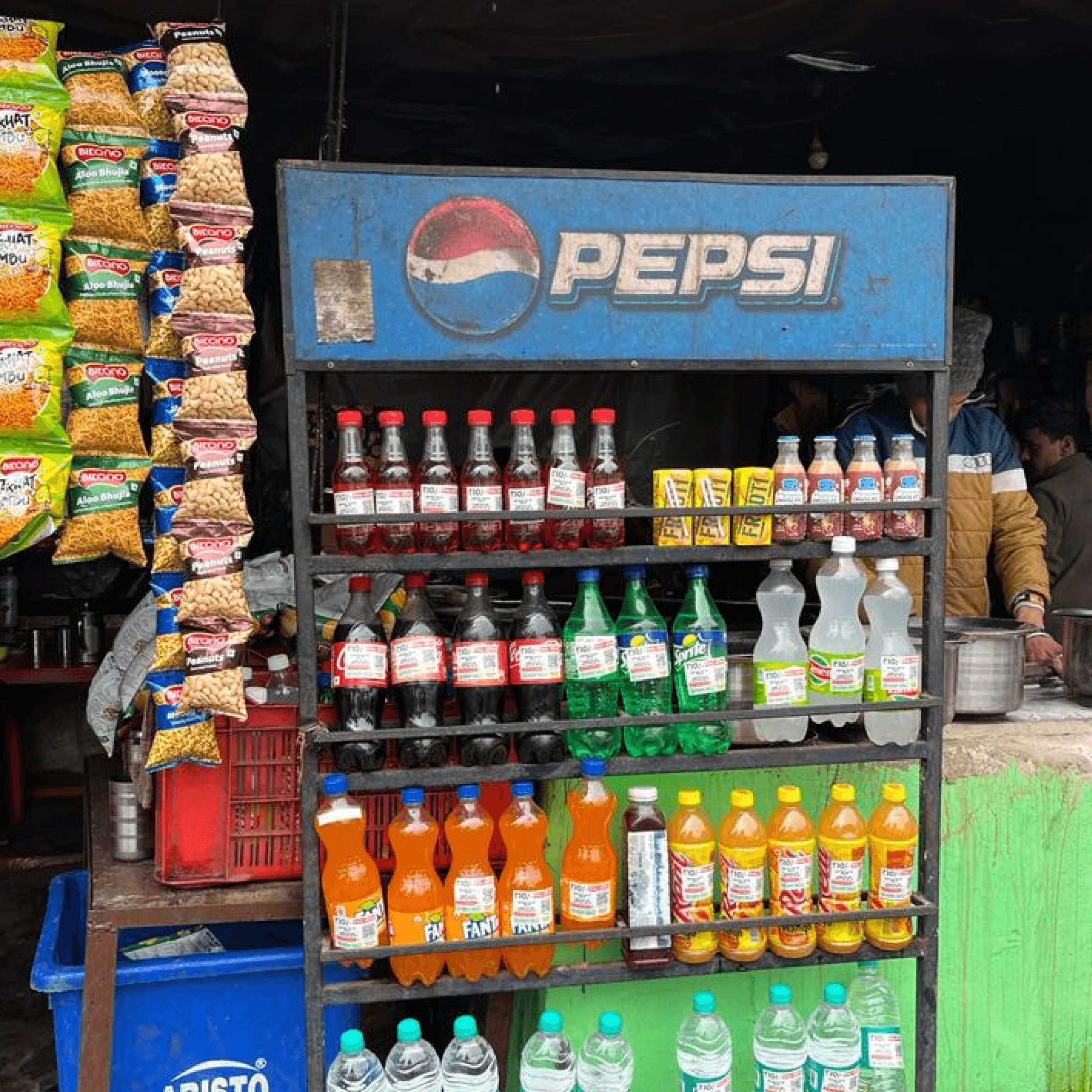
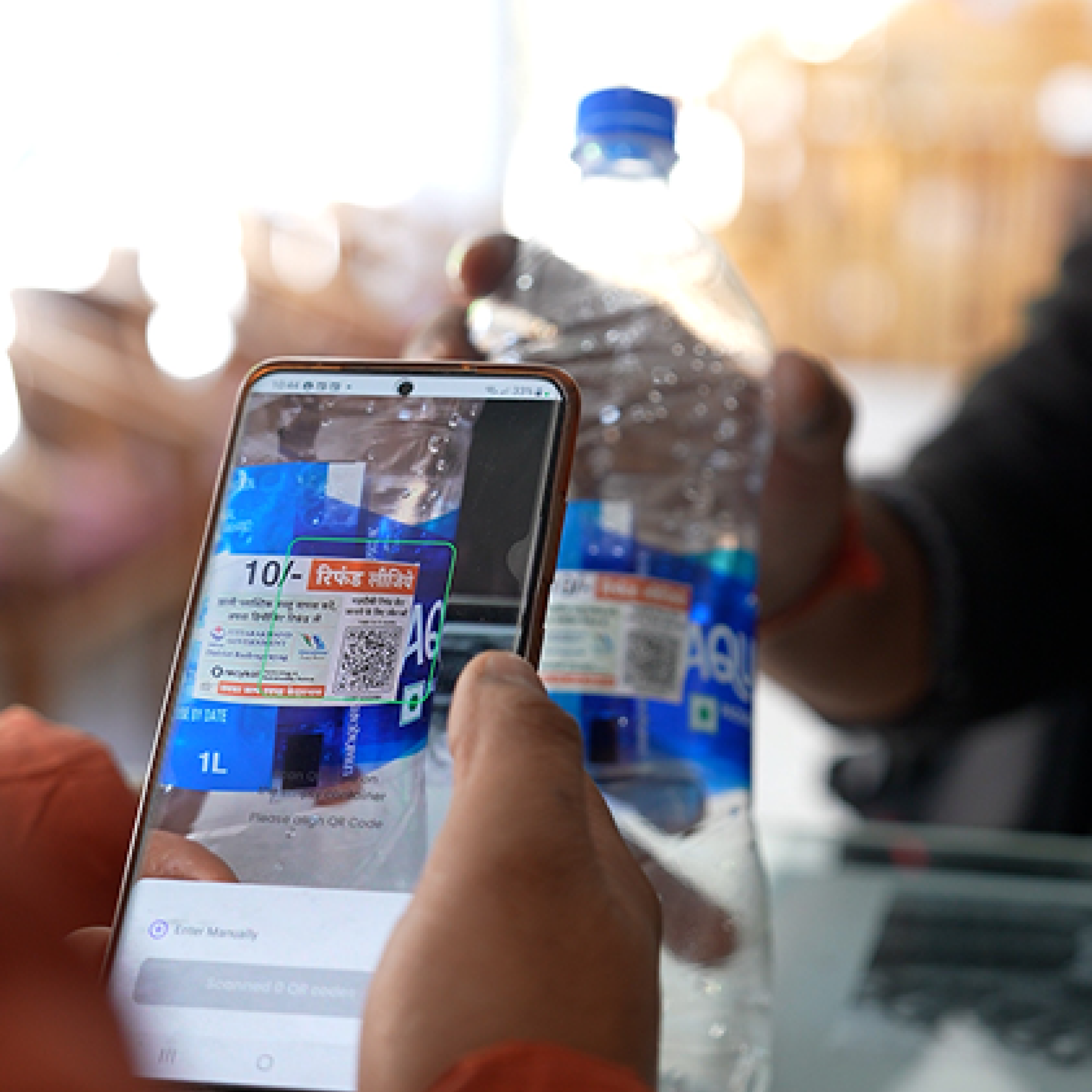
    USI/QR codes (handling 1 lakh+ per minute) feature check-digit validation, duplication protection, time and geo tags, and audit logs to eliminate duplicate claims.

  • Scale rollouts with ease.
    Our modular deployment and auto-scaling infrastructure allow seamless expansion from city to national levels.

  • Transparent public reporting.Easily share impact and KPI data, including verified weights, carbon savings, job creation, and local community engagement through public dashboards.

Central Hub for Real-Time Oversight

Central Hub for Real-Time Oversight

Image

Coverage & compliance

Share Requirement

Track PIBO onboarding, Unit level approvals, code issuance, and geographic expansion.
Image

Operational health

Monitor device uptime, collection rate and exception alerts
Image

Impact & outcomes

Track verified weights, carbon savings, and cleanliness drives, ready for public-facing reports and updates.
Image

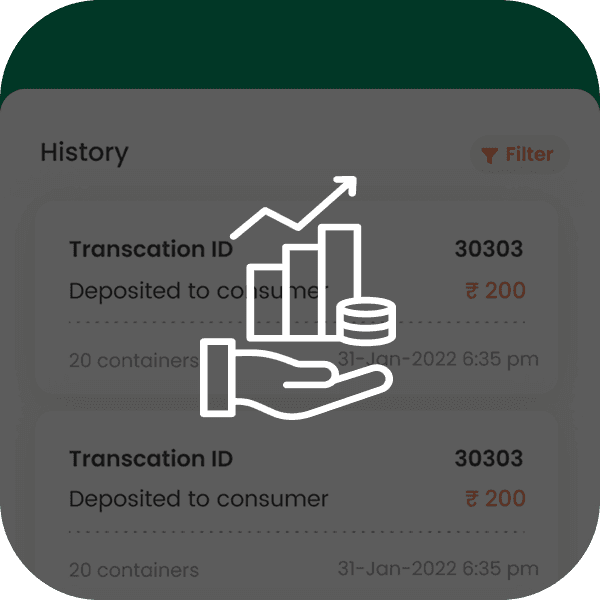
Financial integrity

Monitor deposits collected, refunds issued and automated variance detection.

Image
Image

Use and Retain the Packaging

fter consumption, the empty packaging is kept for return.

Image
Image

Receive Instant Refund

The deposit amount is transferred directly to the consumer’s chosen payment method.

Transparent Communication and Public Engagement

Transparent Communication and Public Engagement

By making waste returns financially and logistically simple, the dDRS:

  • Strategic IEC + Media Campaigns
    Structured outreach through social media, radio, TV, and digital channels, with ongoing storytelling to keep consumers engaged and informed.

  • Stakeholder Training
    Hands-on workshops, guides, and demonstrations for producers, retailers, collection operators, and recyclers.

  • Proven Success Across Multiple Regions

    Deployed DRS pilots across Indian districts and Bhutan

Woman in red outfit poses by a red telephone booth.

Real Outcomes You Can Share with the Public

Real Outcomes You Can Share with the Public

  • High recovery rates
    Achieve 80–90%+ recovery in targeted materials with efficient return coverage.

  • Transparency
    Public dashboards with live tracking of brands, collection sites, returns, and refunds.

  • Climate and Jobs Impact
    Publish verified weights and carbon savings, along with local job creation and skills development data.

Frequently Asked Questions

Frequently Asked Questions

Get quick answers to your most pressing questions

Get quick answers to your most pressing questions

How does the Digital Deposit Refund System (dDRS) work?

The system uses unique USI/QR codes to mark eligible packaging materials. Consumers return the packaging at designated collection points, and a refund is processed, ensuring high recovery rates for targeted materials.

How can dDRS help governments achieve recycling targets?

By increasing material recovery rates through a tech-enabled platform, dDRS ensures that 80–90% of materials are returned for recycling, helping governments meet their recycling and EPR targets.

What kind of fraud prevention measures does dDRS have in place?

dDRS uses secure USI/QR codes with check-digit validation, anti-collision technology, and real-time audits to ensure that duplicate claims are prevented and all returns are legitimate.

Can dDRS be scaled up for national rollouts?

Yes, dDRS is built to scale, allowing governments to start with city-level pilots and expand seamlessly to regional or national coverage. The system is designed for flexibility and large-scale operations.

What kind of reporting does dDRS provide for public transparency?

The system offers live, easily accessible dashboards that track material recovery, carbon savings, local job creation, and ESG outcomes, helping governments communicate progress to the public and stakeholders.

How is data collected and managed within dDRS?

Data is collected in real time through the USI/QR codes, with every transaction; return, refund, and recycling—logged into a secure system for full traceability. This data is accessible via dashboards for easy monitoring and reporting.

What happens if a device used for returns fails?

In the event of device failure, we provide immediate remote diagnostics and field visits within 12 hours, ensuring that operations continue smoothly. Devices can be swapped or relocated within two working days.

How can dDRS ensure compliance with local and national regulations?

The platform is fully aligned with India’s waste management regulations, including Extended Producer Responsibility (EPR) compliance. It automates key processes like GSTN/e-Way Bill generation and ensures timely reporting.

How does dDRS help in reducing carbon emissions?

By increasing material recovery rates and promoting the reuse of plastics, dDRS significantly reduces carbon emissions associated with the production of new materials, thus supporting climate action goals.

What are the costs associated with implementing dDRS?

hardware. However, the system is designed to be cost-effective, with modular solutions that can be adapted to different city or state requirements.

How does the Digital Deposit Refund System (dDRS) work?

The system uses unique USI/QR codes to mark eligible packaging materials. Consumers return the packaging at designated collection points, and a refund is processed, ensuring high recovery rates for targeted materials.

How can dDRS help governments achieve recycling targets?

By increasing material recovery rates through a tech-enabled platform, dDRS ensures that 80–90% of materials are returned for recycling, helping governments meet their recycling and EPR targets.

What kind of fraud prevention measures does dDRS have in place?

dDRS uses secure USI/QR codes with check-digit validation, anti-collision technology, and real-time audits to ensure that duplicate claims are prevented and all returns are legitimate.

Can dDRS be scaled up for national rollouts?

Yes, dDRS is built to scale, allowing governments to start with city-level pilots and expand seamlessly to regional or national coverage. The system is designed for flexibility and large-scale operations.

What kind of reporting does dDRS provide for public transparency?

The system offers live, easily accessible dashboards that track material recovery, carbon savings, local job creation, and ESG outcomes, helping governments communicate progress to the public and stakeholders.

How is data collected and managed within dDRS?

Data is collected in real time through the USI/QR codes, with every transaction; return, refund, and recycling—logged into a secure system for full traceability. This data is accessible via dashboards for easy monitoring and reporting.

What happens if a device used for returns fails?

In the event of device failure, we provide immediate remote diagnostics and field visits within 12 hours, ensuring that operations continue smoothly. Devices can be swapped or relocated within two working days.

How can dDRS ensure compliance with local and national regulations?

The platform is fully aligned with India’s waste management regulations, including Extended Producer Responsibility (EPR) compliance. It automates key processes like GSTN/e-Way Bill generation and ensures timely reporting.

How does dDRS help in reducing carbon emissions?

By increasing material recovery rates and promoting the reuse of plastics, dDRS significantly reduces carbon emissions associated with the production of new materials, thus supporting climate action goals.

What are the costs associated with implementing dDRS?

hardware. However, the system is designed to be cost-effective, with modular solutions that can be adapted to different city or state requirements.

How does the Digital Deposit Refund System (dDRS) work?

The system uses unique USI/QR codes to mark eligible packaging materials. Consumers return the packaging at designated collection points, and a refund is processed, ensuring high recovery rates for targeted materials.

How can dDRS help governments achieve recycling targets?

By increasing material recovery rates through a tech-enabled platform, dDRS ensures that 80–90% of materials are returned for recycling, helping governments meet their recycling and EPR targets.

What kind of fraud prevention measures does dDRS have in place?

dDRS uses secure USI/QR codes with check-digit validation, anti-collision technology, and real-time audits to ensure that duplicate claims are prevented and all returns are legitimate.

Can dDRS be scaled up for national rollouts?

Yes, dDRS is built to scale, allowing governments to start with city-level pilots and expand seamlessly to regional or national coverage. The system is designed for flexibility and large-scale operations.

What kind of reporting does dDRS provide for public transparency?

The system offers live, easily accessible dashboards that track material recovery, carbon savings, local job creation, and ESG outcomes, helping governments communicate progress to the public and stakeholders.

How is data collected and managed within dDRS?

Data is collected in real time through the USI/QR codes, with every transaction; return, refund, and recycling—logged into a secure system for full traceability. This data is accessible via dashboards for easy monitoring and reporting.

What happens if a device used for returns fails?

In the event of device failure, we provide immediate remote diagnostics and field visits within 12 hours, ensuring that operations continue smoothly. Devices can be swapped or relocated within two working days.

How can dDRS ensure compliance with local and national regulations?

The platform is fully aligned with India’s waste management regulations, including Extended Producer Responsibility (EPR) compliance. It automates key processes like GSTN/e-Way Bill generation and ensures timely reporting.

How does dDRS help in reducing carbon emissions?

By increasing material recovery rates and promoting the reuse of plastics, dDRS significantly reduces carbon emissions associated with the production of new materials, thus supporting climate action goals.

What are the costs associated with implementing dDRS?

hardware. However, the system is designed to be cost-effective, with modular solutions that can be adapted to different city or state requirements.

Ready to act on it?

Ready to act on it?

Get in touch for real-time impact.

Image
Image
Image
Image

© Rapidue Technologies Pvt. Ltd. All rights reserved.

© Rapidue Technologies Pvt. Ltd. All rights reserved.

© Rapidue Technologies Pvt. Ltd. All rights reserved.