
COLLECTION ECOSYSTEM
Scaling Consumer Participation for a Circular Economy
A multi-faceted approach combining high-tech solutions and local, community-driven initiatives to facilitate seamless container returns at scale.
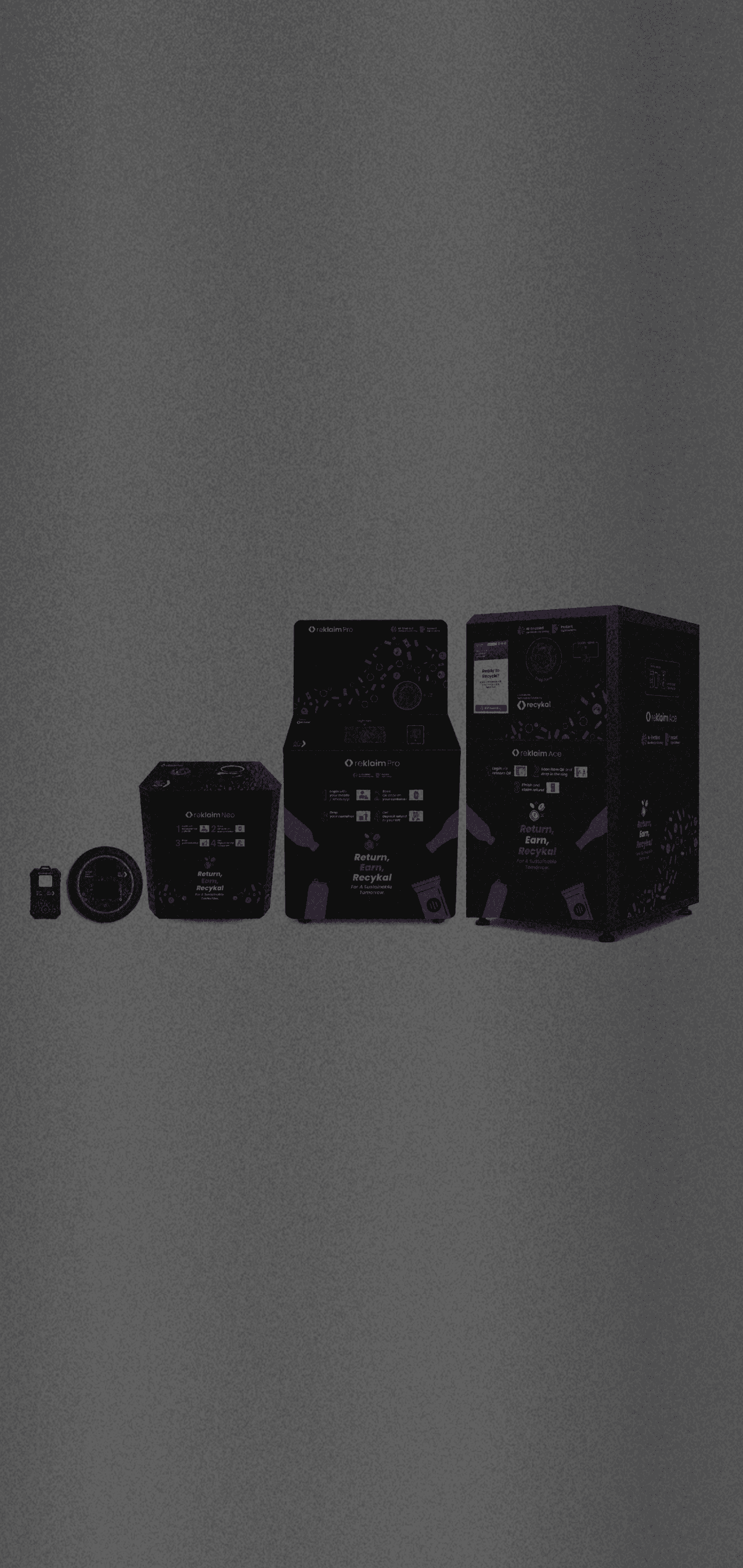
COLLECTION ECOSYSTEM
Scaling Consumer Participation for a Circular Economy
A multi-faceted approach combining high-tech solutions and local, community-driven initiatives to facilitate seamless container returns at scale.

Reverse Vending Machines (RVMs) at Public Hotspots
RVMs are a core part of the Collection Ecosystem, ensuring that post-consumer waste is collected, tracked and managed responsibly driving behavioural change at scale.
Wide Deployment: Positioned at key public locations like transport hubs, markets, and high-footfall areas, ensuring easy access for consumers.
Real-Time Refund Distribution: Rewards consumers with instant refunds or incentives through UPI, bank transfers, and other cashless options.
Seamless User Experience: The RVM interface is designed for quick and easy operation, with clear instructions and multi-lingual support for diverse user bases.
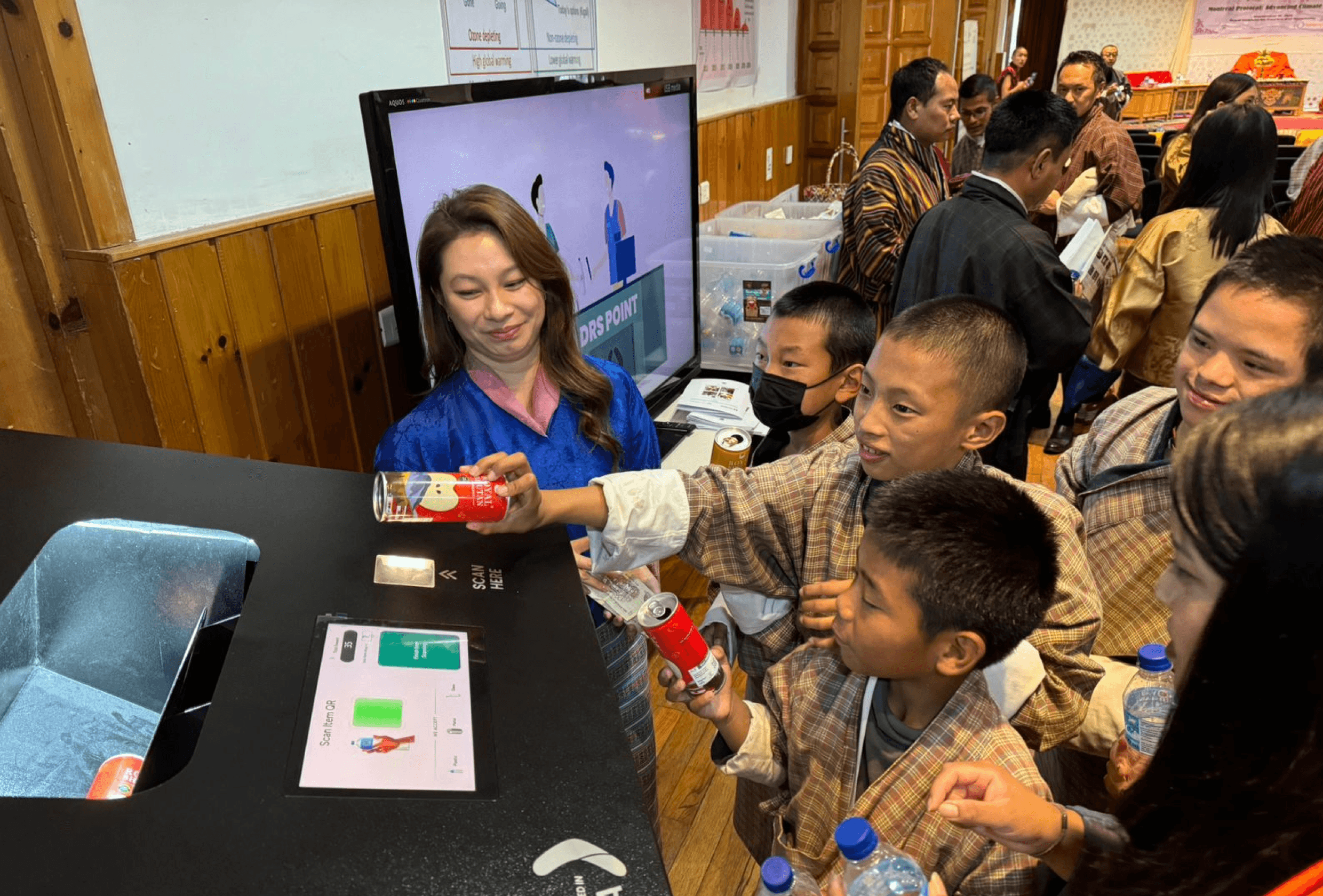
Reverse Vending Machines (RVMs) at Public Hotspots
RVMs are a core part of the Collection Ecosystem, ensuring that post-consumer waste is collected, tracked and managed responsibly driving behavioural change at scale.
Wide Deployment: Positioned at key public locations like transport hubs, markets, and high-footfall areas, ensuring easy access for consumers.
Real-Time Refund Distribution: Rewards consumers with instant refunds or incentives through UPI, bank transfers, and other cashless options.
Seamless User Experience: The RVM interface is designed for quick and easy operation, with clear instructions and multi-lingual support for diverse user bases.
Reverse Vending Machines (RVMs) at Public Hotspots
RVMs are a core part of the Collection Ecosystem, ensuring that post-consumer waste is collected, tracked and managed responsibly driving behavioural change at scale.
Wide Deployment: Positioned at key public locations like transport hubs, markets, and high-footfall areas, ensuring easy access for consumers.
Real-Time Refund Distribution: Rewards consumers with instant refunds or incentives through UPI, bank transfers, and other cashless options.
Seamless User Experience: The RVM interface is designed for quick and easy operation, with clear instructions and multi-lingual support for diverse user bases.
Portable Scanning Devices for Mobile and Rural Collection
To extend the reach beyond urban hotspots, portable devices provide the flexibility needed for on-the-go collection in remote or rural areas. These devices offer:
QR/USI Scanning for Verification and Refunds
Every item returned is scanned for authenticity, creating a transparent, traceable record of returns and refundsOffline Capability
Even in areas with limited connectivity, the device works offline and syncs data once connected.Real-Time GPS Tracking
Devices are linked to the central system, tracking collection activities in real time and ensuring route optimisation for collectors.
These devices are a crucial part of closing the loop on collection, enabling even informal waste pickers to participate and get included within the formal ecosystem.
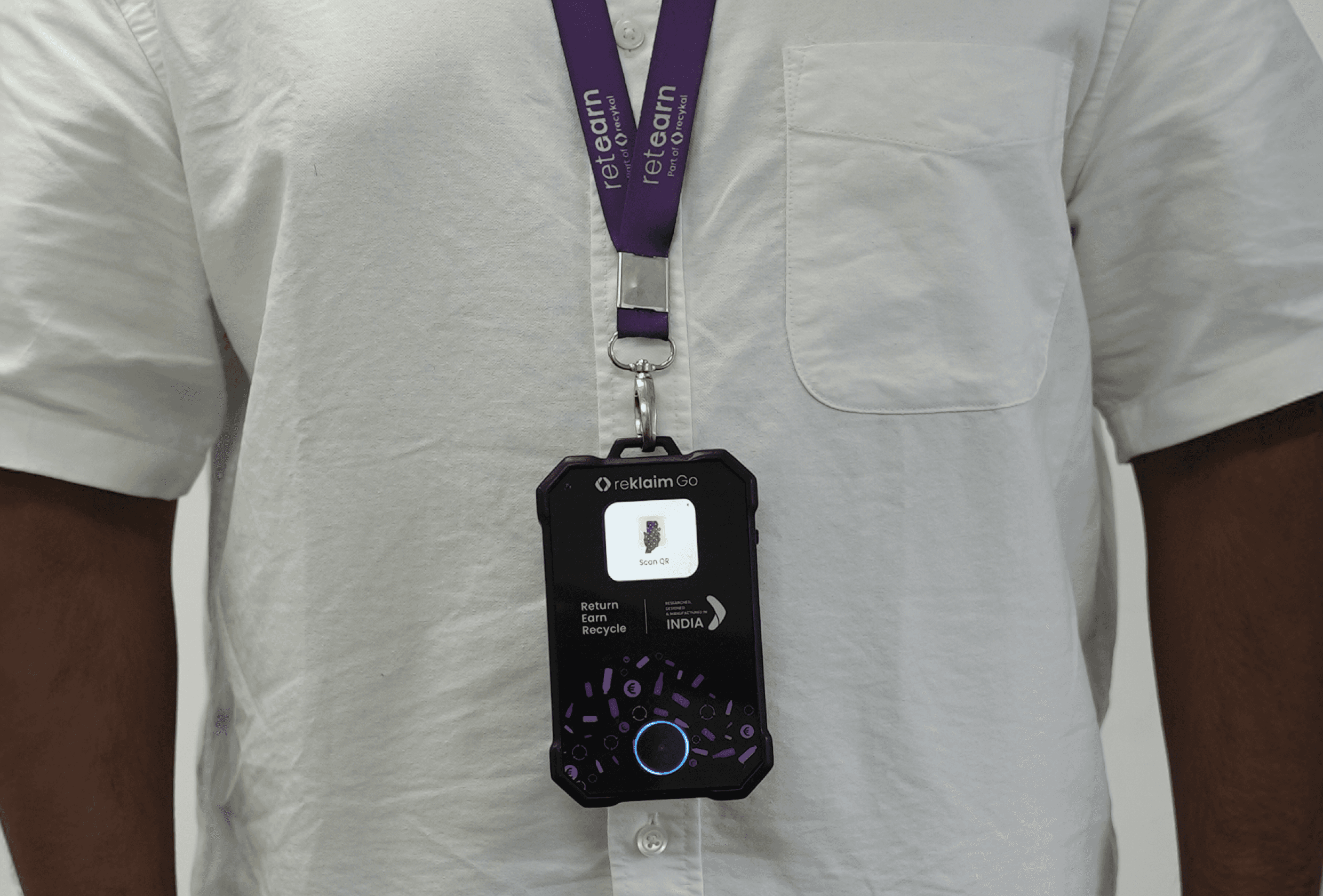
Portable Scanning Devices for Mobile and Rural Collection
To extend the reach beyond urban hotspots, portable devices provide the flexibility needed for on-the-go collection in remote or rural areas. These devices offer:
QR/USI Scanning for Verification and Refunds
Every item returned is scanned for authenticity, creating a transparent, traceable record of returns and refundsOffline Capability
Even in areas with limited connectivity, the device works offline and syncs data once connected.Real-Time GPS Tracking
Devices are linked to the central system, tracking collection activities in real time and ensuring route optimisation for collectors.
These devices are a crucial part of closing the loop on collection, enabling even informal waste pickers to participate and get included within the formal ecosystem.
Portable Scanning Devices for Mobile and Rural Collection
To extend the reach beyond urban hotspots, portable devices provide the flexibility needed for on-the-go collection in remote or rural areas. These devices offer:
QR/USI Scanning for Verification and Refunds
Every item returned is scanned for authenticity, creating a transparent, traceable record of returns and refundsOffline Capability
Even in areas with limited connectivity, the device works offline and syncs data once connected.Real-Time GPS Tracking
Devices are linked to the central system, tracking collection activities in real time and ensuring route optimisation for collectors.
These devices are a crucial part of closing the loop on collection, enabling even informal waste pickers to participate and get included within the formal ecosystem.
Cleaning Counting and Sorting Stations
Once collected, waste items are sent to Cleaning Counting and Sorting (CCS) for final sorting, counting, and preparation for recycling. This ensures that the collected material is efficiently sorted for maximum recovery.
Automated Sorting Systems: Items are automatically sorted by material type, enabling faster processing and higher efficiency.
Data-Driven Insights: Every action within the CCS is tracked, feeding into real-time analytics on collection rates, material types, and geographic data.
Volume Reduction: Items are baled or compacted, optimising transportation and reducing overall logistics costs.
These stations play a key role in ensuring data accuracy, material integrity, and auditability throughout the process.
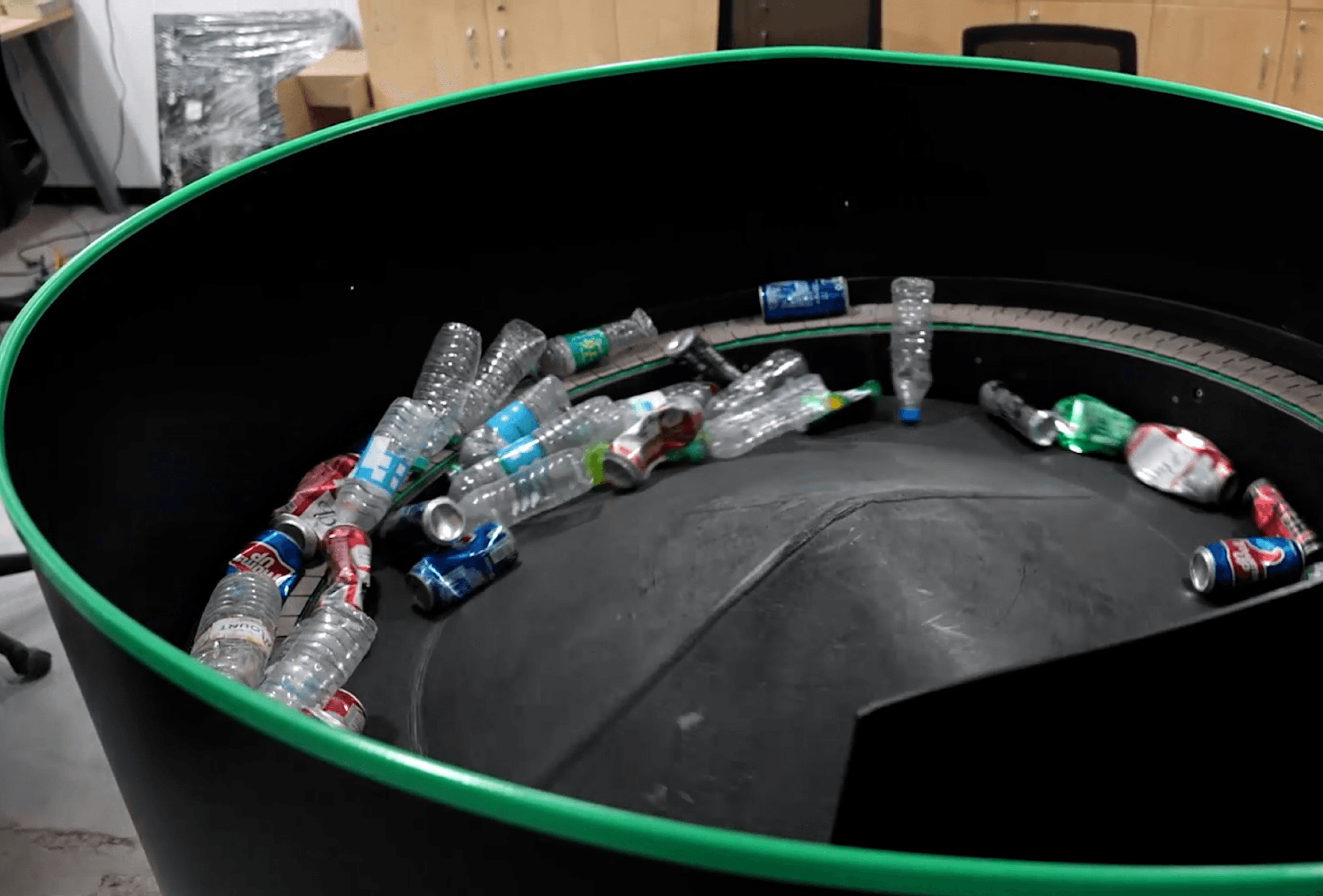
Cleaning Counting and Sorting Stations
Once collected, waste items are sent to Cleaning Counting and Sorting (CCS) for final sorting, counting, and preparation for recycling. This ensures that the collected material is efficiently sorted for maximum recovery.
Automated Sorting Systems: Items are automatically sorted by material type, enabling faster processing and higher efficiency.
Data-Driven Insights: Every action within the CCS is tracked, feeding into real-time analytics on collection rates, material types, and geographic data.
Volume Reduction: Items are baled or compacted, optimising transportation and reducing overall logistics costs.
These stations play a key role in ensuring data accuracy, material integrity, and auditability throughout the process.
Cleaning Counting and Sorting Stations
Once collected, waste items are sent to Cleaning Counting and Sorting (CCS) for final sorting, counting, and preparation for recycling. This ensures that the collected material is efficiently sorted for maximum recovery.
Automated Sorting Systems: Items are automatically sorted by material type, enabling faster processing and higher efficiency.
Data-Driven Insights: Every action within the CCS is tracked, feeding into real-time analytics on collection rates, material types, and geographic data.
Volume Reduction: Items are baled or compacted, optimising transportation and reducing overall logistics costs.
These stations play a key role in ensuring data accuracy, material integrity, and auditability throughout the process.
Real-Time Tracking and Transparency Across the System
One of the core features of the Collection Ecosystem is the ability to track returns, machines, and materials in real-time. This is critical for government monitoring, brand compliance, and consumers trust in the system.
Return Tracking: Real-time visibility of returns by brand, SKU, and location ensures that all returns are accounted for.
Machine Monitoring: The status of all RVMs and portable devices is updated continuously to track machine uptime and identify potential service issues.
Fraud Prevention: The system prevents fraudulent activities with geofencing, duplicate scan detection, and other integrity checks.
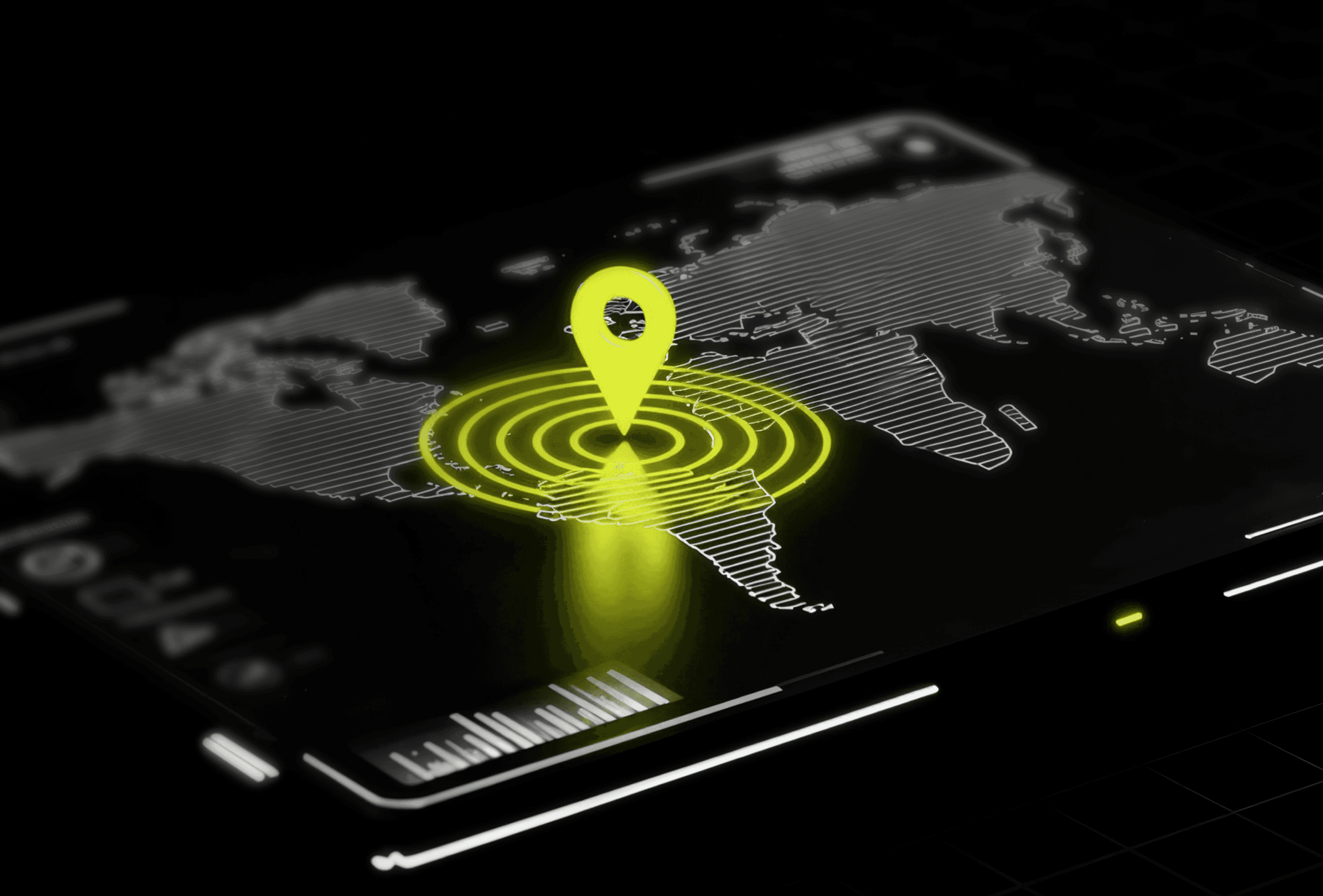
Real-Time Tracking and Transparency Across the System
One of the core features of the Collection Ecosystem is the ability to track returns, machines, and materials in real-time. This is critical for government monitoring, brand compliance, and consumers trust in the system.
Return Tracking: Real-time visibility of returns by brand, SKU, and location ensures that all returns are accounted for.
Machine Monitoring: The status of all RVMs and portable devices is updated continuously to track machine uptime and identify potential service issues.
Fraud Prevention: The system prevents fraudulent activities with geofencing, duplicate scan detection, and other integrity checks.
Real-Time Tracking and Transparency Across the System
One of the core features of the Collection Ecosystem is the ability to track returns, machines, and materials in real-time. This is critical for government monitoring, brand compliance, and consumers trust in the system.
Return Tracking: Real-time visibility of returns by brand, SKU, and location ensures that all returns are accounted for.
Machine Monitoring: The status of all RVMs and portable devices is updated continuously to track machine uptime and identify potential service issues.
Fraud Prevention: The system prevents fraudulent activities with geofencing, duplicate scan detection, and other integrity checks.
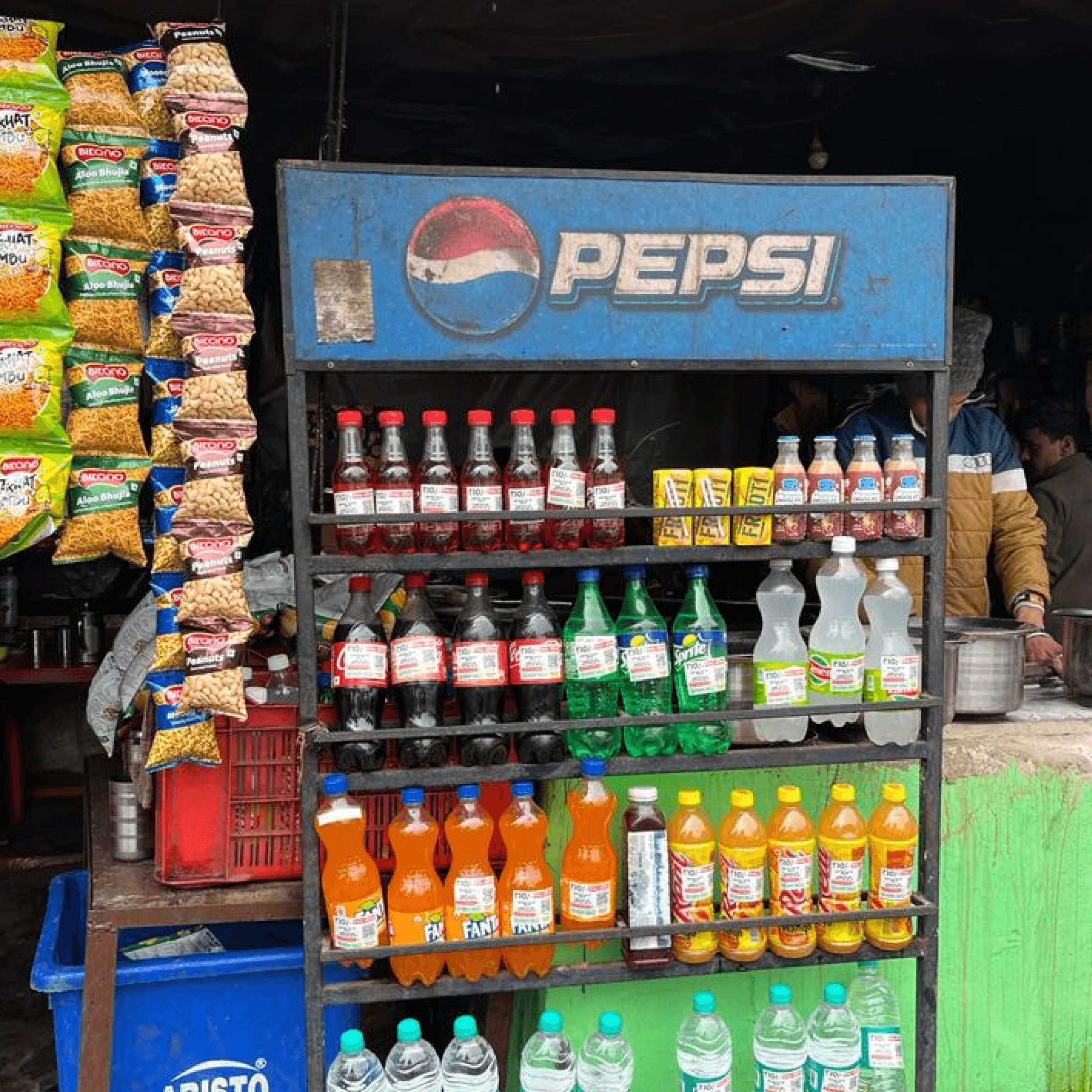
Why This Matters
Why This Matters
The Collection Ecosystem is the backbone of a circular economy by:
The Collection Ecosystem is the backbone of a circular economy by:
Ensuring consistent participation from consumers, supported by convenient, accessible return options.
Collecting materials like plastics, metals, glass and tetra packs at scale, reducing landfill dependency.
Engaging the informal sector and enabling them to work within a formal, traceable framework, boosting their livelihood opportunities.
Providing actionable data for governing bodies, contributing to better waste management policies and regulatory reporting.
Frequently Asked Questions
Frequently Asked Questions
Get quick answers to your most pressing questions
Get quick answers to your most pressing questions
What is the Collection Ecosystem in dDRS?
The Collection Ecosystem is the framework of systems designed to ensure effective consumers participation in the Digital Deposit Refund System (dDRS). It includes Reverse Vending Machines (RVMs), portable scanning devices for mobile collection, sorting/counting stations at Collection & Consolidation Stations (CCS), and full-service hardware with uptime SLAs to ensure smooth operations.
How do Reverse Vending Machines (RVMs) work?
RVMs accept post-consumer waste such as PET bottles, metal cans, and other eligible items. The machine scans QR codes or USI identifiers on the packaging, verifies its authenticity, and issues a reward (usually a deposit refund) via digital payment methods such as UPI, bank transfer, or wallet. RVMs are strategically located at high-traffic areas like malls, transport hubs, and public spaces.
Can I return items from my home or rural area?
Yes, consumers can also participate in the Collection Ecosystem through portable scanning devices for rural and mobile collection. These devices, carried by collection agents, scan the unique QR codes or USIs on packaging to verify returns. Home collection can also be scheduled for eligible items.
What is the role of Cleaning Counting and Sorting (CCS)?
At the CCS, returned items are sorted, counted, and prepared for further processing or recycling. The CCS plays a crucial role in consolidating materials for efficient transportation, ensuring all returns are tracked and recorded digitally for compliance.
How does the system prevent fraud?
The system ensures fraud prevention through several mechanisms: Duplicate scan detection prevents the same item from being returned multiple times. Geofencing ensures that returns are made only within designated return areas. IoT-enabled devices help to monitor real-time activity and report any inconsistencies.
How is the performance of the RVMs and devices tracked?
All RVMs and portable devices are monitored in real-time through a live tracking system. The status, fill levels, and uptime are updated continuously to ensure that machines are functioning optimally. If any issues arise, the system automatically alerts maintenance teams for prompt resolution.
How does dDRS help improve consumers engagement and waste recovery?
The Collection Ecosystem offers convenient return points, like RVMs and mobile collection devices, making it easier for consumers to participate. The instant rewards system (refund of deposit) incentivises people to return waste, significantly increasing recovery rates for valuable materials such as PET plastics, metals, and e-waste.
What kind of support is available for maintaining the collection infrastructure?
The entire infrastructure of RVMs, portable devices, and CCS facilities is supported by fully serviced hardware with Service Level Agreements (SLAs). This ensures high uptime, preventive maintenance, and swift troubleshooting when required.
How are collected materials processed after they are returned?
Once collected, materials are transported to the CCS facilities, where they are sorted, counted, and prepared for recycling or disposal. This process ensures that the material is recovered efficiently and adheres to regulatory standards.
How does the Collection Ecosystem contribute to environmental goals?
By facilitating mass consumers participation, the Collection Ecosystem drastically reduces the amount of waste sent to landfills. It supports a circular economy by ensuring that valuable recyclables, including plastics, metals, and e-waste, are returned to the recycling loop, significantly contributing to reduced pollution and resource conservation.
What is the Collection Ecosystem in dDRS?
The Collection Ecosystem is the framework of systems designed to ensure effective consumers participation in the Digital Deposit Refund System (dDRS). It includes Reverse Vending Machines (RVMs), portable scanning devices for mobile collection, sorting/counting stations at Collection & Consolidation Stations (CCS), and full-service hardware with uptime SLAs to ensure smooth operations.
How do Reverse Vending Machines (RVMs) work?
RVMs accept post-consumer waste such as PET bottles, metal cans, and other eligible items. The machine scans QR codes or USI identifiers on the packaging, verifies its authenticity, and issues a reward (usually a deposit refund) via digital payment methods such as UPI, bank transfer, or wallet. RVMs are strategically located at high-traffic areas like malls, transport hubs, and public spaces.
Can I return items from my home or rural area?
Yes, consumers can also participate in the Collection Ecosystem through portable scanning devices for rural and mobile collection. These devices, carried by collection agents, scan the unique QR codes or USIs on packaging to verify returns. Home collection can also be scheduled for eligible items.
What is the role of Cleaning Counting and Sorting (CCS)?
At the CCS, returned items are sorted, counted, and prepared for further processing or recycling. The CCS plays a crucial role in consolidating materials for efficient transportation, ensuring all returns are tracked and recorded digitally for compliance.
How does the system prevent fraud?
The system ensures fraud prevention through several mechanisms: Duplicate scan detection prevents the same item from being returned multiple times. Geofencing ensures that returns are made only within designated return areas. IoT-enabled devices help to monitor real-time activity and report any inconsistencies.
How is the performance of the RVMs and devices tracked?
All RVMs and portable devices are monitored in real-time through a live tracking system. The status, fill levels, and uptime are updated continuously to ensure that machines are functioning optimally. If any issues arise, the system automatically alerts maintenance teams for prompt resolution.
How does dDRS help improve consumers engagement and waste recovery?
The Collection Ecosystem offers convenient return points, like RVMs and mobile collection devices, making it easier for consumers to participate. The instant rewards system (refund of deposit) incentivises people to return waste, significantly increasing recovery rates for valuable materials such as PET plastics, metals, and e-waste.
What kind of support is available for maintaining the collection infrastructure?
The entire infrastructure of RVMs, portable devices, and CCS facilities is supported by fully serviced hardware with Service Level Agreements (SLAs). This ensures high uptime, preventive maintenance, and swift troubleshooting when required.
How are collected materials processed after they are returned?
Once collected, materials are transported to the CCS facilities, where they are sorted, counted, and prepared for recycling or disposal. This process ensures that the material is recovered efficiently and adheres to regulatory standards.
How does the Collection Ecosystem contribute to environmental goals?
By facilitating mass consumers participation, the Collection Ecosystem drastically reduces the amount of waste sent to landfills. It supports a circular economy by ensuring that valuable recyclables, including plastics, metals, and e-waste, are returned to the recycling loop, significantly contributing to reduced pollution and resource conservation.
What is the Collection Ecosystem in dDRS?
The Collection Ecosystem is the framework of systems designed to ensure effective consumers participation in the Digital Deposit Refund System (dDRS). It includes Reverse Vending Machines (RVMs), portable scanning devices for mobile collection, sorting/counting stations at Collection & Consolidation Stations (CCS), and full-service hardware with uptime SLAs to ensure smooth operations.
How do Reverse Vending Machines (RVMs) work?
RVMs accept post-consumer waste such as PET bottles, metal cans, and other eligible items. The machine scans QR codes or USI identifiers on the packaging, verifies its authenticity, and issues a reward (usually a deposit refund) via digital payment methods such as UPI, bank transfer, or wallet. RVMs are strategically located at high-traffic areas like malls, transport hubs, and public spaces.
Can I return items from my home or rural area?
Yes, consumers can also participate in the Collection Ecosystem through portable scanning devices for rural and mobile collection. These devices, carried by collection agents, scan the unique QR codes or USIs on packaging to verify returns. Home collection can also be scheduled for eligible items.
What is the role of Cleaning Counting and Sorting (CCS)?
At the CCS, returned items are sorted, counted, and prepared for further processing or recycling. The CCS plays a crucial role in consolidating materials for efficient transportation, ensuring all returns are tracked and recorded digitally for compliance.
How does the system prevent fraud?
The system ensures fraud prevention through several mechanisms: Duplicate scan detection prevents the same item from being returned multiple times. Geofencing ensures that returns are made only within designated return areas. IoT-enabled devices help to monitor real-time activity and report any inconsistencies.
How is the performance of the RVMs and devices tracked?
All RVMs and portable devices are monitored in real-time through a live tracking system. The status, fill levels, and uptime are updated continuously to ensure that machines are functioning optimally. If any issues arise, the system automatically alerts maintenance teams for prompt resolution.
How does dDRS help improve consumers engagement and waste recovery?
The Collection Ecosystem offers convenient return points, like RVMs and mobile collection devices, making it easier for consumers to participate. The instant rewards system (refund of deposit) incentivises people to return waste, significantly increasing recovery rates for valuable materials such as PET plastics, metals, and e-waste.
What kind of support is available for maintaining the collection infrastructure?
The entire infrastructure of RVMs, portable devices, and CCS facilities is supported by fully serviced hardware with Service Level Agreements (SLAs). This ensures high uptime, preventive maintenance, and swift troubleshooting when required.
How are collected materials processed after they are returned?
Once collected, materials are transported to the CCS facilities, where they are sorted, counted, and prepared for recycling or disposal. This process ensures that the material is recovered efficiently and adheres to regulatory standards.
How does the Collection Ecosystem contribute to environmental goals?
By facilitating mass consumers participation, the Collection Ecosystem drastically reduces the amount of waste sent to landfills. It supports a circular economy by ensuring that valuable recyclables, including plastics, metals, and e-waste, are returned to the recycling loop, significantly contributing to reduced pollution and resource conservation.